
Why Bloom Timing Matters
For a backyard to function as viable pollinator habitat, it needs to offer nectar and pollen across as much of the growing season as possible. A garden that blooms only in mid-summer leaves native bees — many of which are active from snowmelt through first frost — without resources at critical periods of their life cycles.
In much of Canada, the active pollinator season runs roughly from late April to late October, depending on latitude and local conditions. Filling gaps in early spring and late autumn is often more valuable than adding more plants that flower in July, when competition from other food sources is already high.
Climate Zone Note
The timing below reflects approximate flowering windows for southern Ontario and the lower Fraser Valley. Plants in Atlantic Canada typically bloom one to two weeks later; Prairie gardens may see earlier spring bloom but earlier autumn senescence. Adjust based on your local last-frost date and USDA/NRC hardiness zone.
April to May: Early Bloomers
Early spring flowers are critical because queen bumblebees emerge from overwintering before most vegetation leafs out. These queens are building nests and need immediate protein and carbohydrate sources.
| Plant | Bloom Window | Pollinators Served | Notes |
|---|---|---|---|
| Bloodroot (Sanguinaria canadensis) | April–May | Native bees, early flies | Woodland edge; ephemeral |
| Wild columbine (Aquilegia canadensis) | April–June | Ruby-throated hummingbird, bumblebees | Long spurs favour long-tongued bees |
| Virginia bluebells (Mertensia virginica) | April–May | Mason bees, mining bees | Riparian; spring ephemeral |
| Trout lily (Erythronium americanum) | April–May | Small native bees | Woodland floor; slow to establish |
June to July: Peak Summer Forage
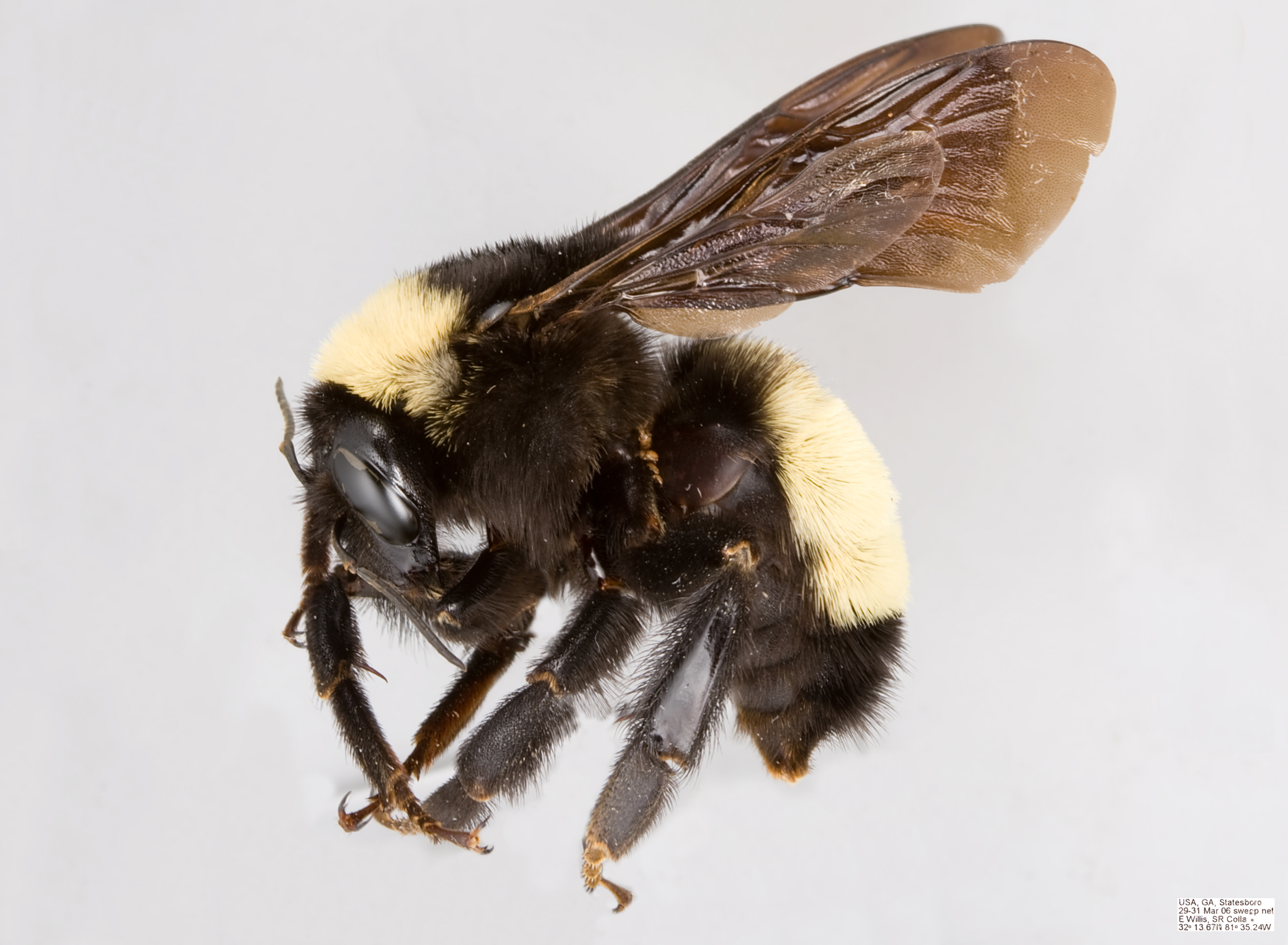
Early summer coincides with peak colony growth for social bees and the emergence of many solitary species. Diversity of flower shape matters most here — tubular flowers for long-tongued bees and butterflies, shallow open flowers for short-tongued bees and beetles.
| Plant | Bloom Window | Pollinators Served | Notes |
|---|---|---|---|
| Wild bergamot (Monarda fistulosa) | June–August | Bumblebees, hawkmoths, butterflies | Drought-tolerant; spreads by rhizome |
| Purple coneflower (Echinacea purpurea) | June–September | Bumblebees, sweat bees, goldfinches | Long-blooming; attracts 50+ bee species |
| Butterfly weed (Asclepias tuberosa) | June–August | Monarchs, fritillaries, native bees | Monarch larval host; deep taproot |
| Black-eyed Susan (Rudbeckia hirta) | June–October | Sweat bees, mining bees, beetles | Open disk flowers serve short-tongued visitors |
| Common milkweed (Asclepias syriaca) | June–August | Monarchs, bumblebees, specialist milkweed bees | Essential monarch larval host in Canada |
August to September: Late Season Abundance
Late summer and early autumn represent a second critical window — queen bumblebees are building fat reserves for overwintering, migratory butterflies like the Monarch are fuelling up for the journey to Mexico, and many solitary bees are provisioning their last nests of the season.
| Plant | Bloom Window | Pollinators Served | Notes |
|---|---|---|---|
| Canada goldenrod (Solidago canadensis) | August–October | Bumblebees, sweat bees, wasps, monarch stopover | High pollen and nectar output; tolerates poor soil |
| New England aster (Symphyotrichum novae-angliae) | August–October | Bumble bees, specialist aster bees, monarchs | Pairs well with goldenrod for late forage |
| Tall ironweed (Vernonia altissima) | August–September | Swallowtails, bumblebees, skipper butterflies | Tall background plant; tolerates wet conditions |
Regional Considerations
British Columbia
The Pacific coast's mild winters allow early-season bloomers like red flowering currant (Ribes sanguineum) to provide nectar as early as March. The dry interior has distinct native plants including rabbitbrush (Ericameria nauseosa) that bloom into October.
Prairies (Alberta, Saskatchewan, Manitoba)
Short growing seasons with late frosts make early spring ephemerals less reliable. Focus on drought-tolerant prairie species: blanket flower (Gaillardia aristata), prairie clover (Dalea purpurea), and native grasses that provide overwintering structure for ground-nesting bees.
Ontario and Quebec
The Great Lakes–St. Lawrence corridor supports the greatest diversity of native bee species in Canada. Bloom calendars here can extend from bloodroot in April to witch hazel (Hamamelis virginiana) in October or November.
Atlantic Provinces
Coastal conditions support bunchberry (Cornus canadensis), meadowsweet (Spiraea latifolia), and various native goldenrods well-adapted to acidic soils and maritime climates.
Planning for Continuous Coverage
A functional bloom calendar for a Canadian backyard should aim for at least two or three species flowering in each of these windows: early spring (April–May), late spring (May–June), summer (June–August), and autumn (August–October). Gaps in any window reduce the site's value as pollinator habitat.
Shrubs and trees are often underutilized. Serviceberry (Amelanchier spp.) flowers before most perennials emerge in spring, and native willows (Salix spp.) provide critical early pollen that is particularly rich in protein.