
Bloom Calendar
Native Bloom Calendar for Canadian Pollinators
A month-by-month reference showing which native plants flower from early spring through late autumn across major Canadian climate zones.
Read article →Bloom calendars, host plant guides, and pesticide-free zone planning for Canadian gardens and green spaces.


Featured Articles
Practical information drawn from Canadian ecological guides, provincial conservation resources, and field observation data.
A month-by-month reference showing which native plants flower from early spring through late autumn across major Canadian climate zones.
Read article →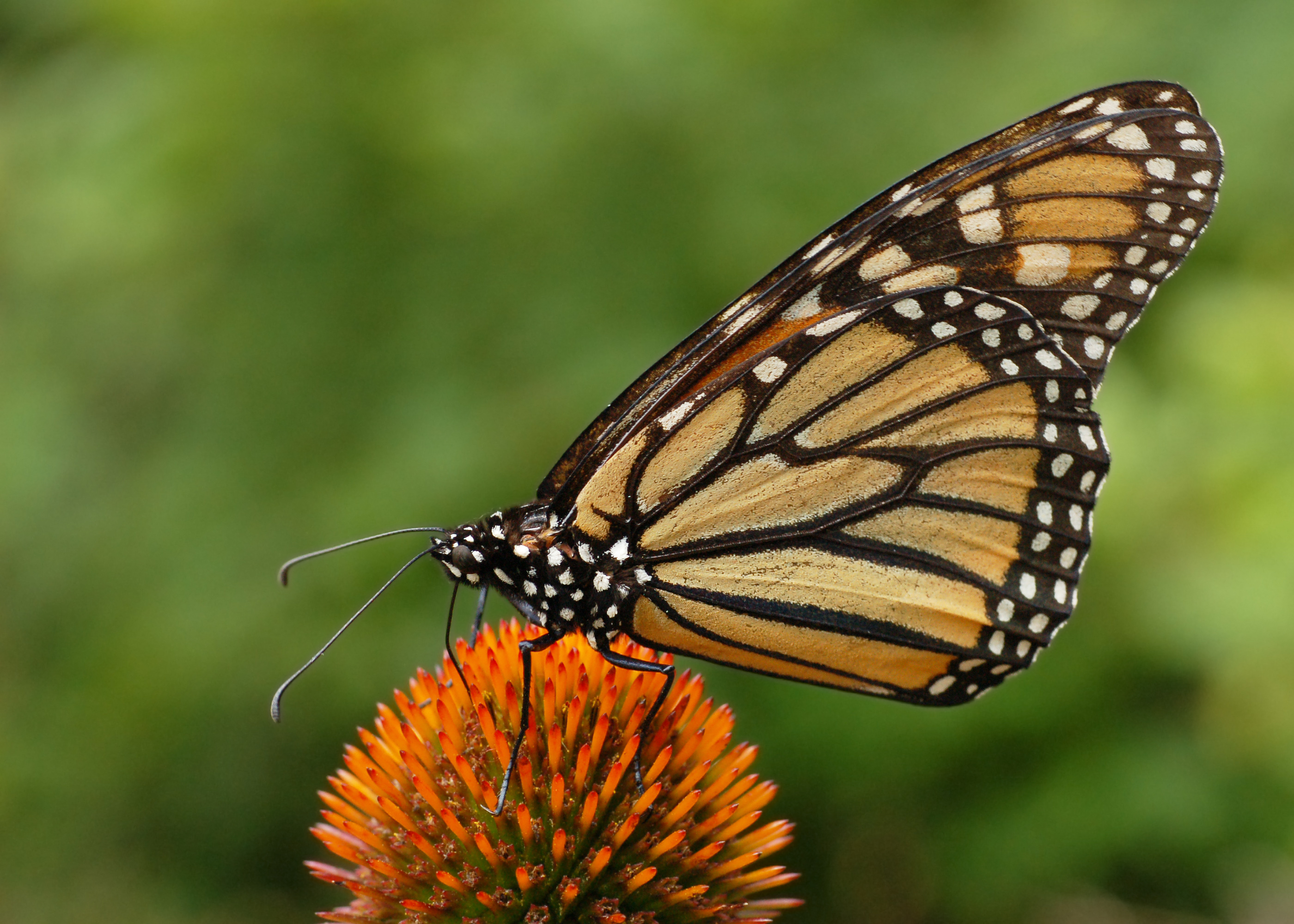
Which native plants support larval development and provide nectar for key pollinator species found in Canadian gardens.
Read article →
How to designate portions of your yard as chemical-free areas, with plant selection strategies and maintenance approaches for Canadian conditions.
Read article →Why It Matters
Native plant communities in Canada provide food and habitat that introduced ornamentals generally cannot replicate for local pollinator species.
Bloom Continuity
Staggered flowering across species extends forage availability from April through October in most Canadian zones.
Specialist Bees
Many native bee species are oligolectic — they collect pollen from a narrow range of plant genera and cannot substitute introduced flowers.
Larval Host Plants
Butterfly caterpillars often require specific plant species. Monarch larvae depend exclusively on milkweed for development.
Chemical-Free Zones
Eliminating pesticide use in defined yard areas reduces sublethal exposure that affects bee navigation and reproductive success.
External References
Federal overview of pollinator decline factors, native bee diversity, and landscape management considerations for Canadian habitats.
Visit resource →Practical guidance on native plant selection for Canadian gardens designed to support birds, insects, and other wildlife.
Visit resource →